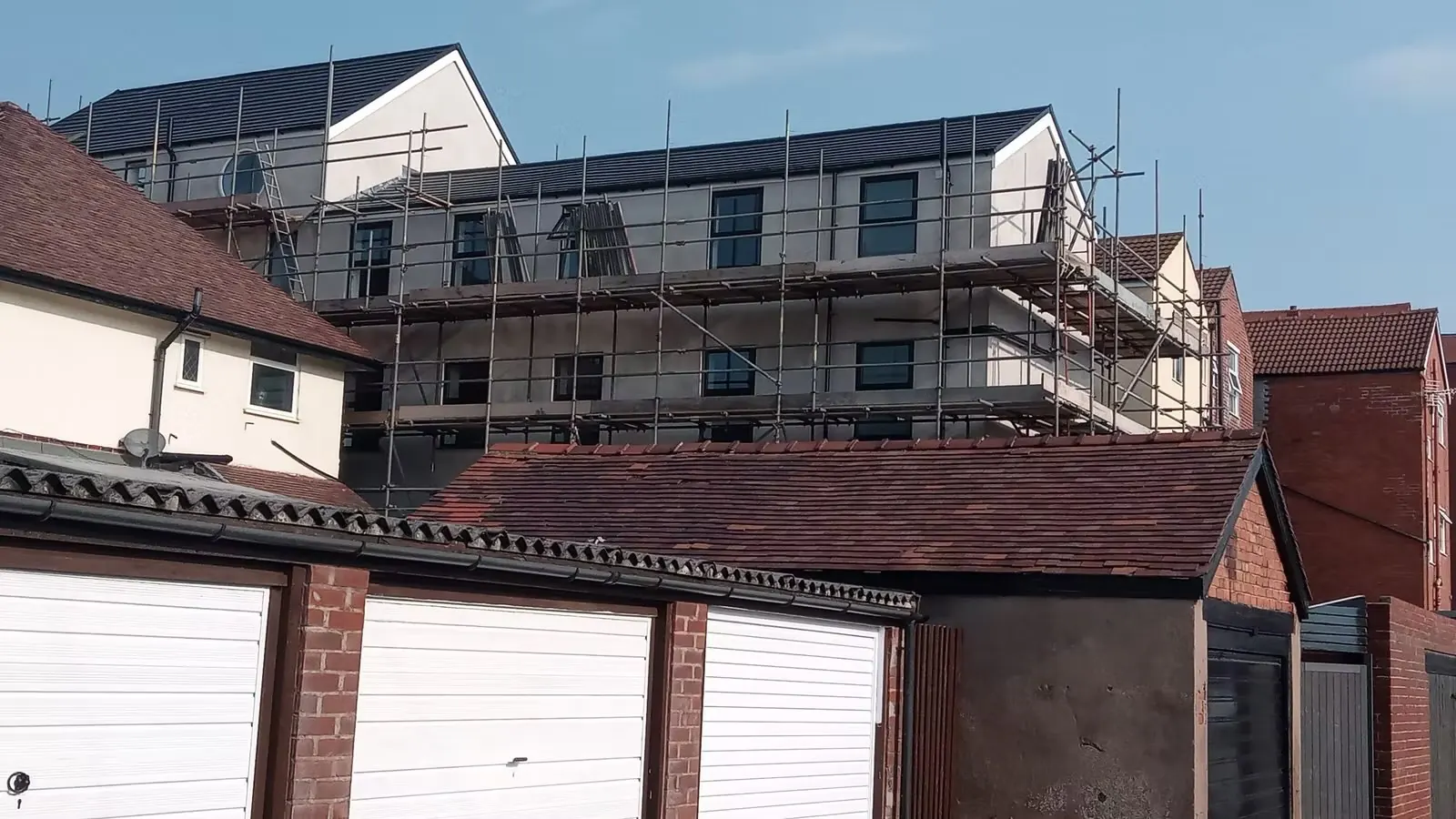
What CHAS accreditation means when you are choosing a contractor
Three quotes on the table and three firms who all say they take safety seriously. Accreditation is one of the few ways to tell the difference without taking anyone at their word.
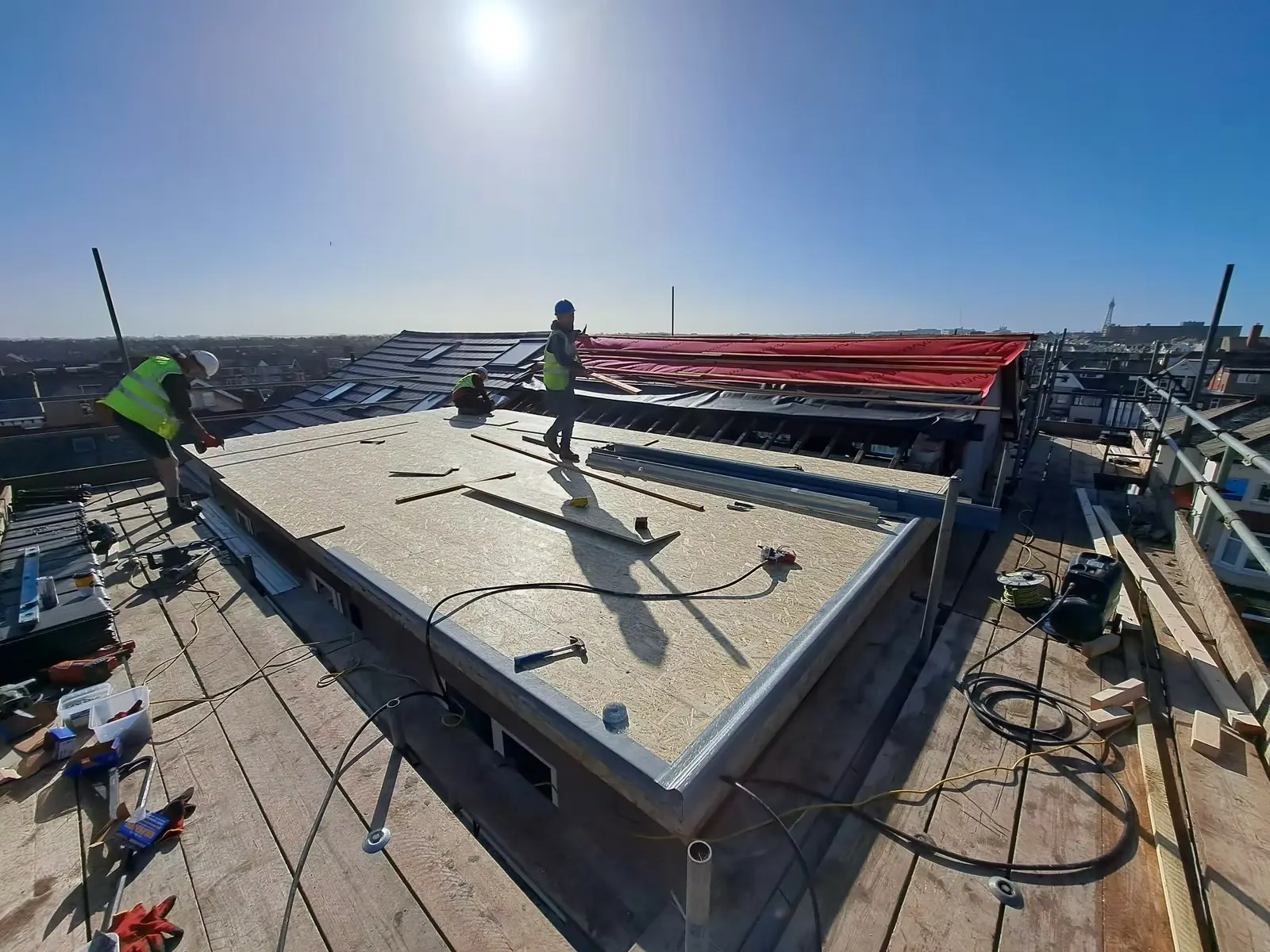
If you are appointing a builder, you will have noticed that everybody says the same things. Everybody is reliable. Everybody is careful. Everybody has been doing it for years. None of that is much use when you are trying to choose between three quotes, because there is no way to check any of it from a website.
Accreditation is one of the few parts of the picture that somebody independent has actually looked at. It is worth understanding what it covers, because it answers some questions completely and others not at all.
What CHAS actually is
CHAS stands for the Contractors Health and Safety Assessment Scheme. It was set up in 1997 and is one of the longest established assessment schemes in the country. It is a member of SSIP, the umbrella body for health and safety assessment in procurement.
The important word is assessment. A contractor submits evidence, and somebody independent goes through it and decides whether it meets the standard. It is not a directory you pay to appear in, and it is not a badge that lasts forever. It has to be renewed, and the evidence has to still stack up when it is.
What gets looked at
The assessment is about how a business actually runs a site, and it asks for evidence rather than assurances. Broadly it covers:
- A written health and safety policy, and whether it is followed
- Risk assessments and method statements for the work being done
- Training records and the competence of the people on site
- How accidents are reported, and what happens afterwards
- How subcontractors are vetted and supervised
- Welfare facilities for the people working
- Employers' liability and public liability insurance
- Proactive checks: site inspections, audits and management reviews
Most of that is invisible to you as a customer. You will never see the training records. But it is the difference between a firm that has thought about how a job runs and one that turns up and hopes.
Assessed once, recognised widely
SSIP exists to stop the same contractor being assessed over and over by different buyers asking the same questions. A contractor is assessed once against a common threshold, and other schemes in the scheme recognise that assessment rather than repeating it.
For you that means an accredited contractor has been through a recognised process, not a private one invented by whoever is checking. It is a national standard rather than a local opinion.
What it means for your own responsibilities
This is the part people tend not to realise. If you are having work done as a business, a landlord or a managing agent, you carry duties of your own around appointing a competent contractor. You are expected to have made reasonable checks rather than simply hired whoever came back first.
Appointing an accredited contractor is a straightforward way of showing you did that. It is written down, it is dated, and it came from somebody independent. If you are a homeowner your position is different and lighter, but the same logic applies in practice: it is evidence rather than a promise.
What accreditation does not tell you
It is worth being straight about the limits, because a badge used to close down questions is not much of a badge.
CHAS accreditation says a firm manages health and safety to a national standard. It does not tell you whether their plastering is any good, whether they turn up when they say they will, or whether they are pleasant to have in your house for six weeks. It is a floor, not a verdict.
So use it alongside the ordinary checks rather than instead of them. Ask to see finished work. Speak to somebody they did a similar job for. Look at whether the quote actually breaks down what you are paying for. Accreditation narrows the field. The rest of it picks the winner.
When it matters most
On a domestic extension, accreditation is reassurance. On other work it tends to be the first question asked, and often decides whether a contractor is considered at all:
- Commercial premises and retail units
- Buildings that stay in use while the work goes on
- Properties under management on behalf of somebody else
- Work in occupied homes, including adaptations
- Anywhere documentation is asked for before a quote is even considered
If you are weighing up quotes and want to see the paperwork behind ours, our accreditation, insurance and the rest of it are set out on our CHAS accredited page, and we will send certificates over the same day you ask.